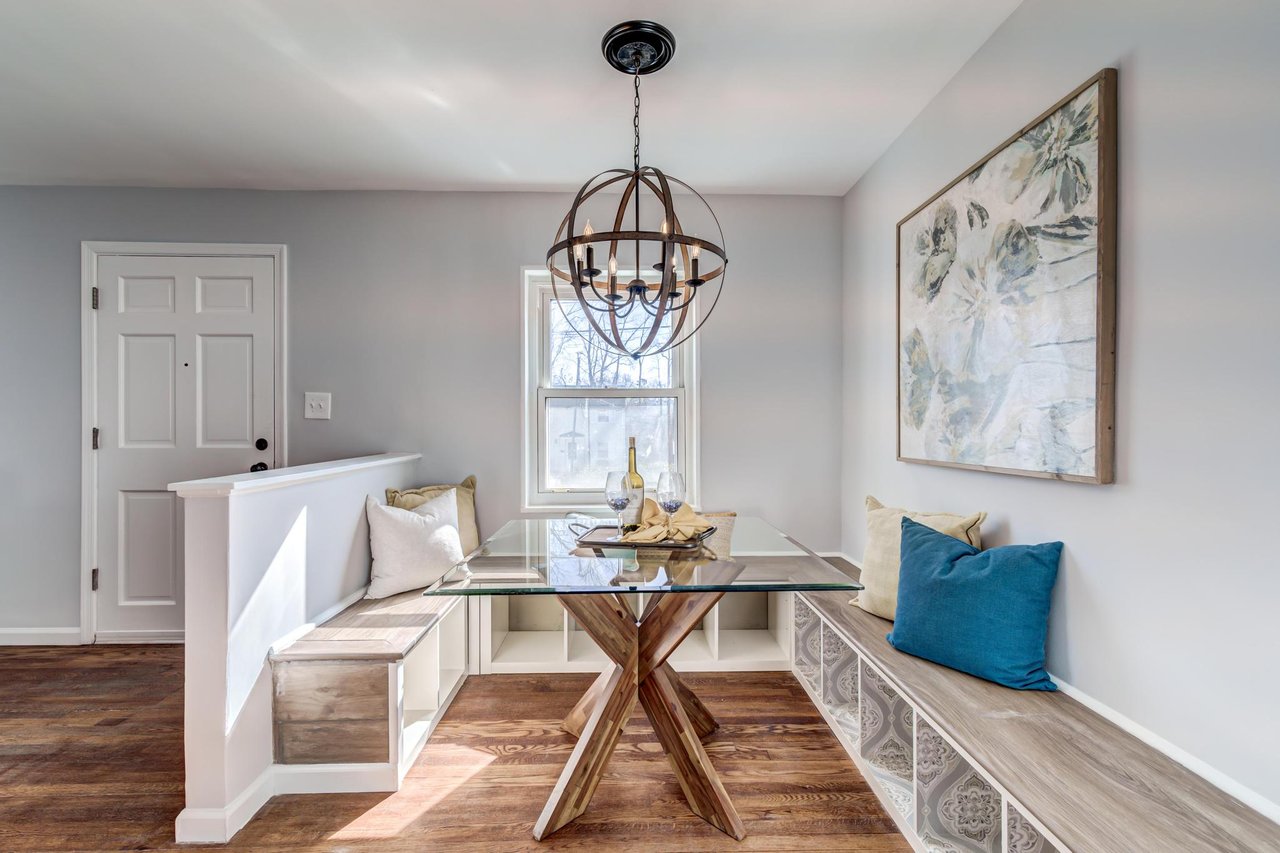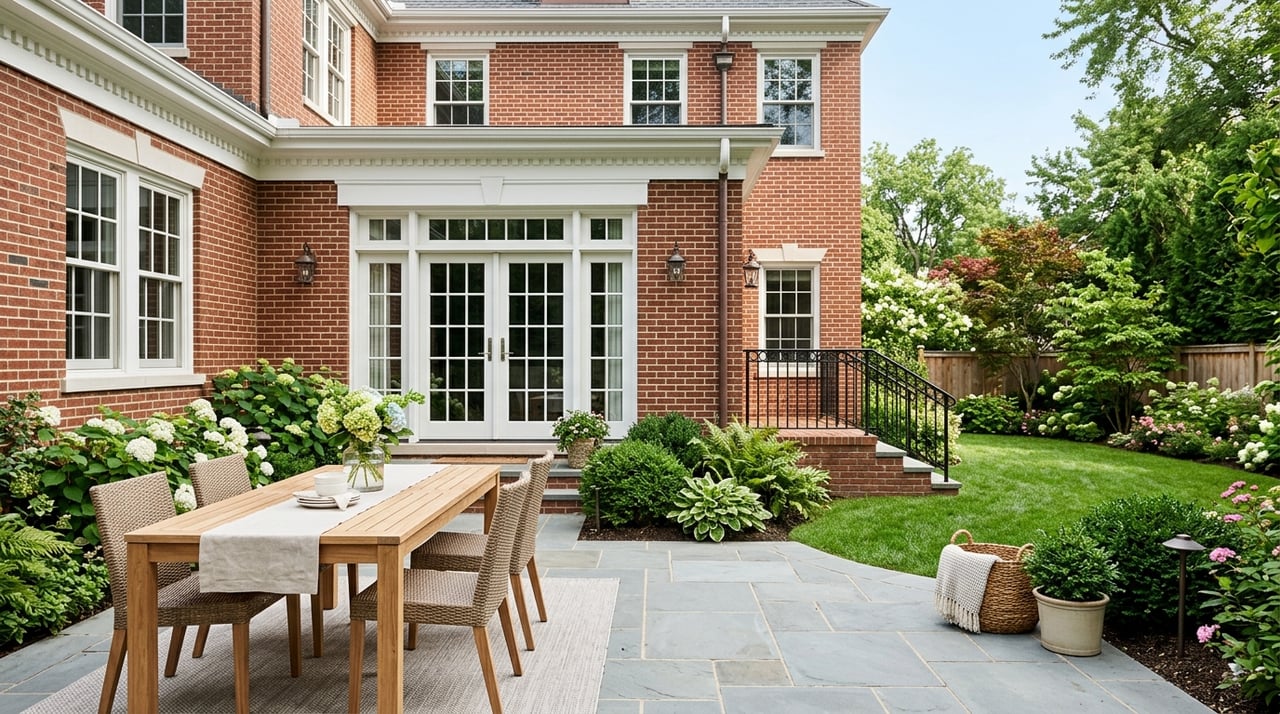
Springfield can feel simple on a map, but it is not a one-size-fits-all market when you start looking at homes. If you are trying to buy here, you are likely balancing price, commute, home style, and long-term fit all at once. The good news is that a clear plan can help you narrow your choices with less stress and more confidence. Let’s dive in.
Start With Springfield’s Micro-Markets
One of the biggest mistakes buyers make is treating Springfield like a single neighborhood. Fairfax County planning materials show that Springfield includes distinct subareas, with different patterns of housing, retail, and transportation.
In broad terms, the area includes transit-oriented sections near the Franconia-Springfield Transit Station Area and more established residential pockets in other parts of the Springfield planning district. The county also separates the Springfield Community Business Center west of I-95 from the Franconia-Springfield Transit Station Area east of I-95, which tells you right away that location within Springfield matters.
That difference can shape your daily life. A home a few blocks closer to transit may offer a very different routine than one farther west or south, even if both share a Springfield address.
Filter Your Search by Commute
For many buyers, commute should be the first filter. Springfield’s location gives you access to major roads and transit, but not every address connects the same way.
The Franconia-Springfield area centers on the Joe Alexander Transportation Center. Fairfax County says this hub includes Metrorail, Virginia Railway Express service, commuter parking, and bus service. WMATA also identifies Franconia-Springfield as a Blue Line station with VRE, Fairfax Connector, and Metrobus connections.
At the same time, Springfield is still largely a driving-based market. Fairfax County’s Springfield CDP study found that driving alone was the dominant commute mode and that the mean travel time to work was 29.4 minutes in 2023.
That is why you should test the actual trip that matters most to you. Instead of assuming all of Springfield is equally convenient, compare drive times to I-95, I-495, Fairfax County Parkway, or the station itself.
A Simple Commute Framework
A practical way to think about Springfield is this:
- Transit-first buyers often start east of I-95 near the Franconia-Springfield station area.
- Space-first buyers often start west and south of I-95 in more established residential pockets.
- Base-adjacent buyers may focus south of Franconia-Springfield Parkway near the Fort Belvoir North Area.
This does not mean one area is better than another. It means the right area depends on how you live and move through your week.
Compare Home Types Carefully
Once you know your commute zone, the next step is choosing the home type that fits your budget and lifestyle. In Springfield, that choice can have a major effect on both price and upkeep.
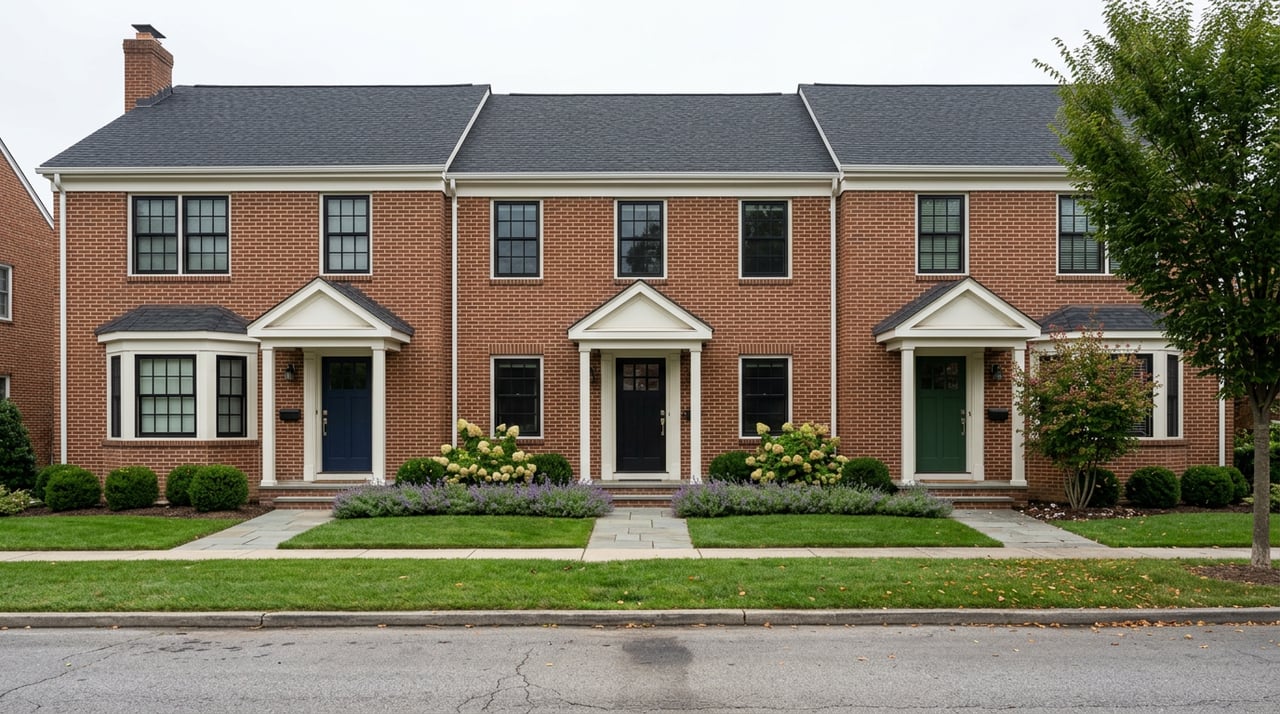
Fairfax County’s housing analysis says single-family detached homes and townhouses make up roughly two-thirds of Springfield’s housing units. Owner-occupied homes also make up more than two-thirds of occupied units, so this is a market where many buyers are comparing ownership options across several property types.
The 2024 Fairfax County demographic report shows clear differences in median values by housing type:
| Home Type | 2024 Median Value |
|---|---|
| Single-family detached | $709,380 |
| Single-family attached | $545,937 |
| Multifamily units | $291,627 |
These figures are helpful because they show the tradeoffs more clearly than a single market headline. Detached homes tend to offer more privacy and often more outdoor space, but they come with a higher entry point. Attached homes usually sit in the middle, while multifamily units can offer the lowest purchase price.
What Each Home Type Can Mean for You
If you are deciding between a condo, townhome, or detached home, think beyond the listing price.
- Detached homes may suit buyers who want more separation and are prepared for a higher purchase price and more exterior maintenance.
- Attached homes can offer a balance of space and price for buyers who want ownership with a different maintenance profile.
- Multifamily units may provide a lower entry point, but you should compare HOA dues, parking, and amenity costs as part of the full monthly picture.
In Springfield, the smartest choice is often the one that fits your monthly carrying cost and daily routine, not just the largest home you can qualify for.
Use Price Signals the Right Way
If you have looked at market data online, you may have already noticed that the numbers do not all match. That is normal, especially when different platforms use different timing and methods.
Recent snapshots place Springfield sales roughly in the mid-$600,000s to upper-$600,000s, while current asking prices are closer to the mid-$700,000s. Fairfax County’s 2024 report placed Springfield’s median market value of owned housing units at $617,568, which was below the countywide median of $708,383.
The takeaway is not to chase one headline number. Instead, use broad price ranges to understand the market, then compare homes by subarea, property type, condition, and monthly cost.
Look at Monthly Cost, Not Just Price
A home that looks manageable on paper can feel very different once you factor in the full cost of ownership. In Springfield, this matters because home type, parking, HOA or condo dues, and commute costs can vary a lot from one address to another.
Fairfax County’s Springfield CDP study reported median household income of $123,691 in 2023, alongside a 2024 owned-housing median of $617,568. That context is a good reminder to focus on affordability in practical terms, not just on the purchase price.
When you compare homes, look at:
- Mortgage payment
- Property taxes
- HOA or condo dues
- Parking fees or restrictions
- Commuting costs
- Expected maintenance or updates
A lower-priced home with high dues or a longer commute may not be the better fit. A slightly higher-priced home in a more efficient location may serve you better month after month.
Check the Address-Level Details
In Springfield, a few blocks can change your experience more than you might expect. That is why the exact address matters almost as much as the home itself.
A strong shortlist should include five checks: commute pattern, home type, school assignment, HOA or condo costs, and parking rules. Fairfax County’s My Neighborhood tool can help you confirm assigned elementary, middle, and high schools for a specific address, along with nearby parks, libraries, police and fire stations, hospitals or urgent care, and other local details.
This step helps you move from a general idea of Springfield to a more accurate picture of how a specific property fits your needs. It is also one of the best ways to avoid surprises later.
Think About Renovation Tolerance
Once you have narrowed down commute, home type, and location details, one final question can help break a tie: how much work are you truly willing to take on?
For some buyers, a home that needs updates is worth it for the location or layout. For others, move-in-ready condition matters more because time, budget, or stress levels are already stretched.
This is especially important in a market like Springfield, where established residential pockets may offer a different mix of home ages, conditions, and maintenance expectations. Be honest with yourself about whether you want a project, a light refresh, or a home that feels ready from day one.
A Smart Order for Choosing a Home
If Springfield is already on your list but you still feel torn between options, keep your process simple. Fairfax County planning and housing data support a practical working order that helps many buyers sort through the noise.
Start here:
- Commute first
- Home type second
- School assignment and HOA details third
- Parking rules fourth
- Renovation tolerance last
This order works because it focuses first on the things that most affect your day-to-day life and monthly budget. Once those pieces are in place, the right home often becomes much easier to spot.
Why Springfield Can Be a Strong Fit
Springfield appeals to many different kinds of buyers because it offers a mix of housing types, varied price points, and access to both roads and transit. It is not uniform, and that is actually part of its appeal.
If you want a condo with a lower entry price, a townhome with a middle-ground balance, or a detached home with more privacy, Springfield gives you options. The key is knowing how to match those options to your routine, your budget, and the exact location that makes sense for you.
If you want help sorting through Springfield’s micro-markets and building a shortlist that fits your real life, Catherine Marie Wojtowicz can help you move forward with clarity and confidence.
FAQs
How should you start choosing a home in Springfield, VA?
- Start with your commute, then narrow by home type, exact address details, HOA or condo costs, parking rules, and renovation tolerance.
What home types are common in Springfield, VA?
- Springfield includes single-family detached homes, single-family attached homes such as townhomes, and multifamily units such as condos.
What is the price difference between home types in Springfield, VA?
- Fairfax County’s 2024 median values were $709,380 for detached homes, $545,937 for attached homes, and $291,627 for multifamily units.
Is Springfield, VA better for drivers or transit riders?
- Springfield offers both, but Fairfax County data shows commuting is still mostly driving-based, while the Franconia-Springfield area provides strong transit connections through Metro, VRE, bus service, and commuter parking.
Why does the exact address matter in Springfield, VA?
- Springfield includes several micro-markets, so a specific address can affect your commute, nearby services, school assignment, parking setup, and overall housing options.
What should you compare besides the list price in Springfield, VA?
- You should compare monthly carrying costs such as mortgage payment, taxes, HOA or condo dues, parking costs, commute expenses, and likely maintenance needs.