Wondering if Alexandria is the kind of place where you can enjoy city convenience without giving up neighborhood charm? That question brings a lot of people here, whether you are buying your first condo, relocating for work, or looking for a home that fits your next chapter. Alexandria offers a mix of historic character, riverfront scenery, strong transit access, and distinct neighborhood personalities. Here’s what it’s like to live in Alexandria, VA, and what you should know before making a move.
Alexandria at a glance
Alexandria is a compact city on the Potomac River just south of Washington, D.C. The city covers 14.94 square miles and has an estimated population of 160,662, which gives it a more connected, urban feel than many spread-out suburban areas. According to the city, Alexandria blends small-town charm with big-city amenities, and that description fits daily life surprisingly well.
You can see that balance in the way the city is built. Alexandria has a preserved historic core, a walkable street pattern, and easy access to shops, restaurants, parks, and transit. Instead of feeling dominated by long drives and large distances, many parts of the city feel close-knit and easy to navigate.
Daily life in Alexandria
Living in Alexandria often means your routine includes more than just home and work. You may start your morning with a walk on a trail, stop by a neighborhood coffee shop, use transit for your commute, and spend the evening at a local restaurant or community event. The city’s size makes it easier to build those habits into everyday life.
Alexandria also has a notably diverse population. Census data shows that 24.9% of residents were born outside the U.S., and 31.1% of residents age 5 and older speak a language other than English at home. That diversity shows up in the city’s dining, community life, and overall character.
Alexandria neighborhoods feel very different
One of the biggest things to know about Alexandria is that it is not one-note. Different parts of the city offer very different lifestyles, even within a relatively small geographic area. That gives you options if you want walkability, newer development, a historic setting, or a more residential rhythm.
Old Town
Old Town is the city’s most recognizable area and, for many people, the image that comes to mind first when they think of Alexandria. It is a walkable historic district along the Potomac River waterfront, with King Street serving as its main corridor. The area includes more than 200 independent restaurants and shops, along with galleries and historic sites.
Daily life in Old Town often centers on being able to step outside and do a lot on foot. The waterfront includes parks, arts, history, and public gathering spaces, and Waterfront Park is part of a linear park system that regularly hosts small city-sponsored festivals and events. If you like a lively setting with strong neighborhood character, Old Town tends to offer that.
Getting around without a car is also realistic here. Old Town is accessible from the King Street and Braddock Road Metrorail stations, and the free King Street Trolley runs between King St Metro and City Hall/Market Square every 15 minutes, seven days a week from 11 a.m. to 11 p.m.
Del Ray
Del Ray has a different personality. It is centered on Mount Vernon Avenue and is known for its walkable main street feel, murals, outdoor gathering spots, and recurring community events. If Old Town feels tied to the waterfront and historic tourism, Del Ray feels more like a neighborhood commercial district built around local routines.
The area includes a weekly farmers market, art exhibits, the Wellness District, and annual events such as Art on the Avenue and the Del Ray Halloween Parade. For many residents, that creates a strong sense of local rhythm throughout the year. It can feel active and social without feeling overly formal.
Transit access is solid here too. Braddock Metro is about a 0.5 to 1 mile walk depending on where you are, and the area also has free DASH bus routes, Metrobus access, and Capital Bikeshare nearby.
Potomac Yard
Potomac Yard has a more contemporary feel than Old Town or Del Ray. It is a newer mixed-use, transit-oriented area between Old Town North and Del Ray, and it is described as a growing innovation hub. The new Virginia Tech campus and the city’s newest Metro station are major parts of its identity.
If you want regional connectivity and newer development, this area may stand out. The Potomac Yard Metro station is on the Blue and Yellow lines, one stop south of Reagan National Airport and two stops north of King Street. The station does not offer parking, but it does include bike racks and accessibility features.
West End
The West End is Alexandria’s largest neighborhood area and includes communities such as Seminary Hill, Cameron Station, and Taylor Run. This part of the city is known for parks, breweries, barbecue, and a strong international dining scene. It offers a different day-to-day feel from the waterfront-oriented eastern side of the city.
The West End is also closer to central Washington, D.C. than some people expect. It is about eight miles from downtown D.C. and has easy access to I-395. If your routine involves driving more often, or you want a different mix of dining and residential areas, the West End may deserve a closer look.
Getting around Alexandria
Transportation is one of Alexandria’s biggest lifestyle advantages. The city’s free DASH bus system plays an important role in daily life and connects Alexandria to the Pentagon and other transit systems, including Metrobus, Metrorail, VRE, and Amtrak. DASH also serves all Alexandria Metrorail stations and the Pentagon during morning and evening peak periods.
Rail access is another major plus. King St-Old Town, Braddock Road, and Potomac Yard are all on the Blue and Yellow Metro lines. Alexandria Station at 110 Callahan Drive serves the Fredericksburg and Manassas VRE lines, and Alexandria Union Station is next to King Street Metro and also serves Amtrak.
If you prefer to walk or bike, Alexandria gives you good options there too. The city has more than 20 miles of multi-use trails, and 5.6 miles of the 18-mile Mount Vernon Trail run through Alexandria along the Potomac River. The city also describes Alexandria as a nationally recognized Bike Friendly Community.
Housing in Alexandria
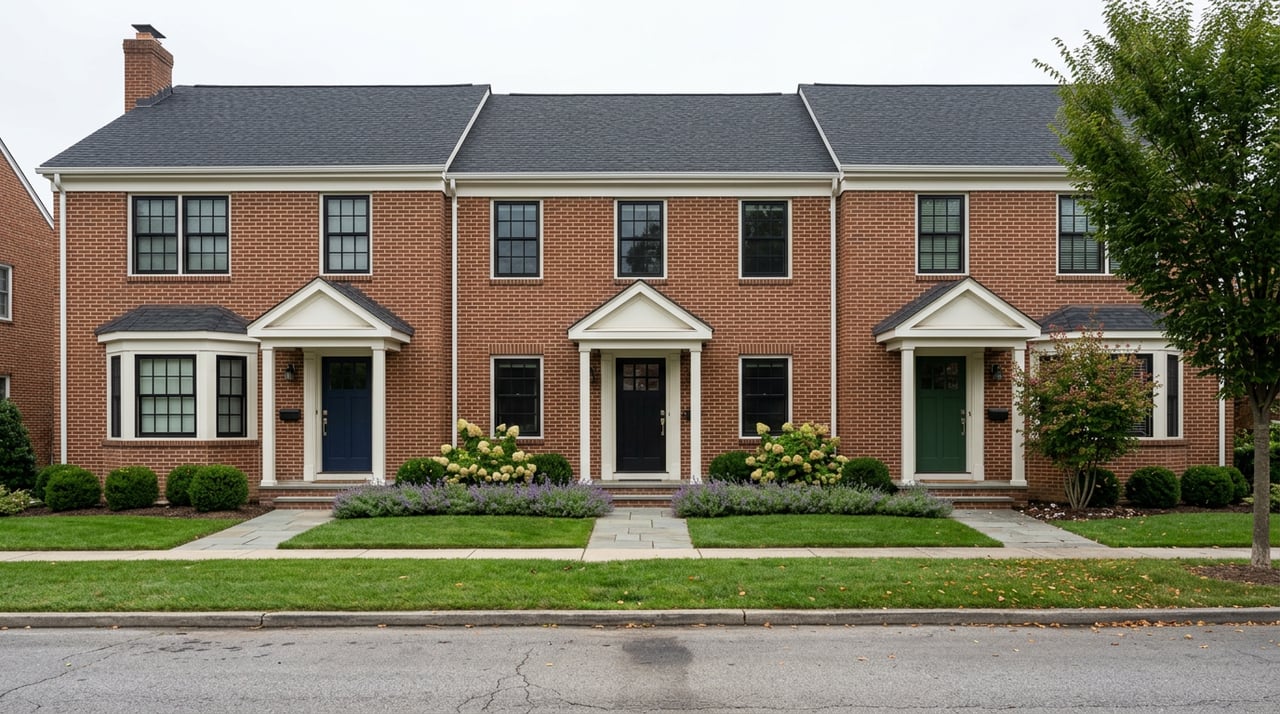
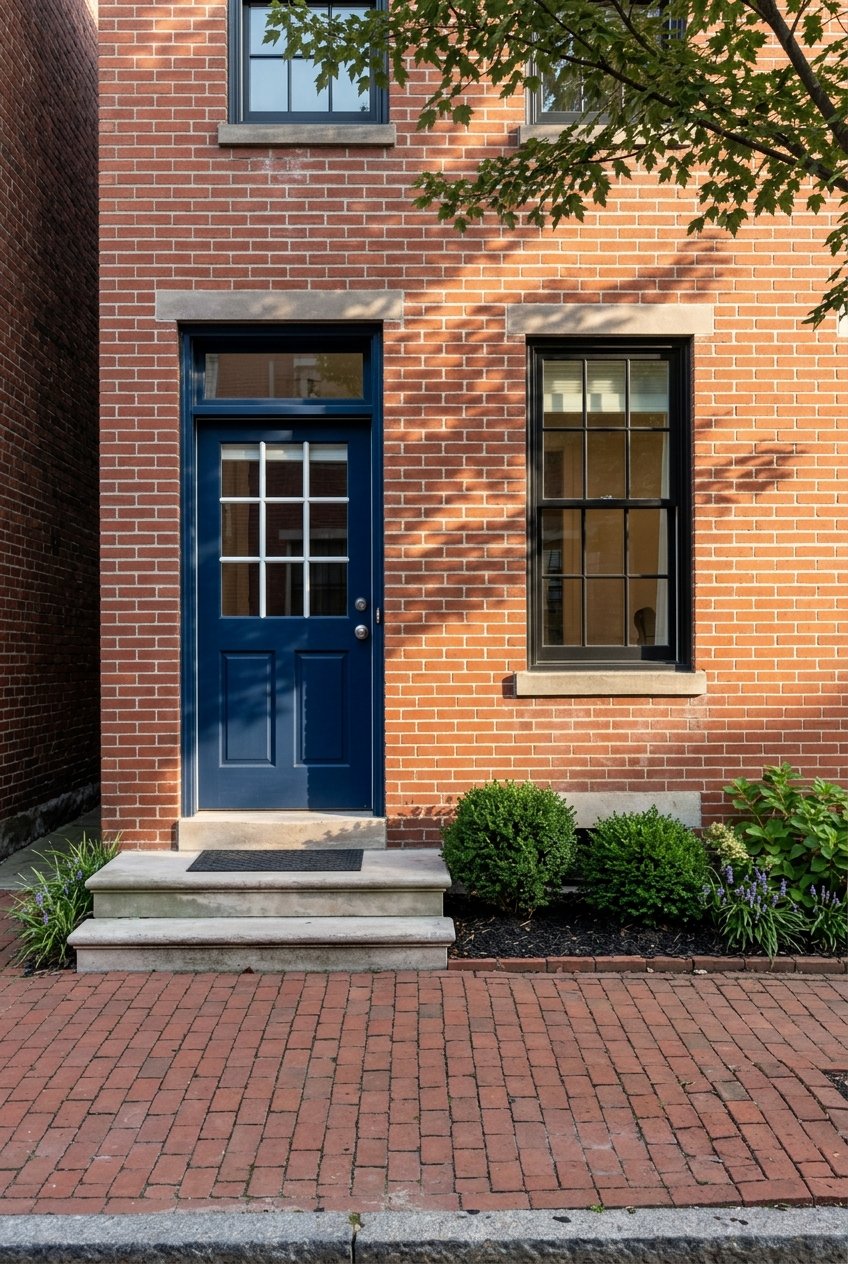
Alexandria has a varied housing stock, which is a major reason so many different types of buyers are drawn to the city. Planning materials show a mix of single-family detached homes, two-family homes, townhouses, and multi-family buildings. Old Town has a particularly high concentration of townhouse and townhouse-like properties.
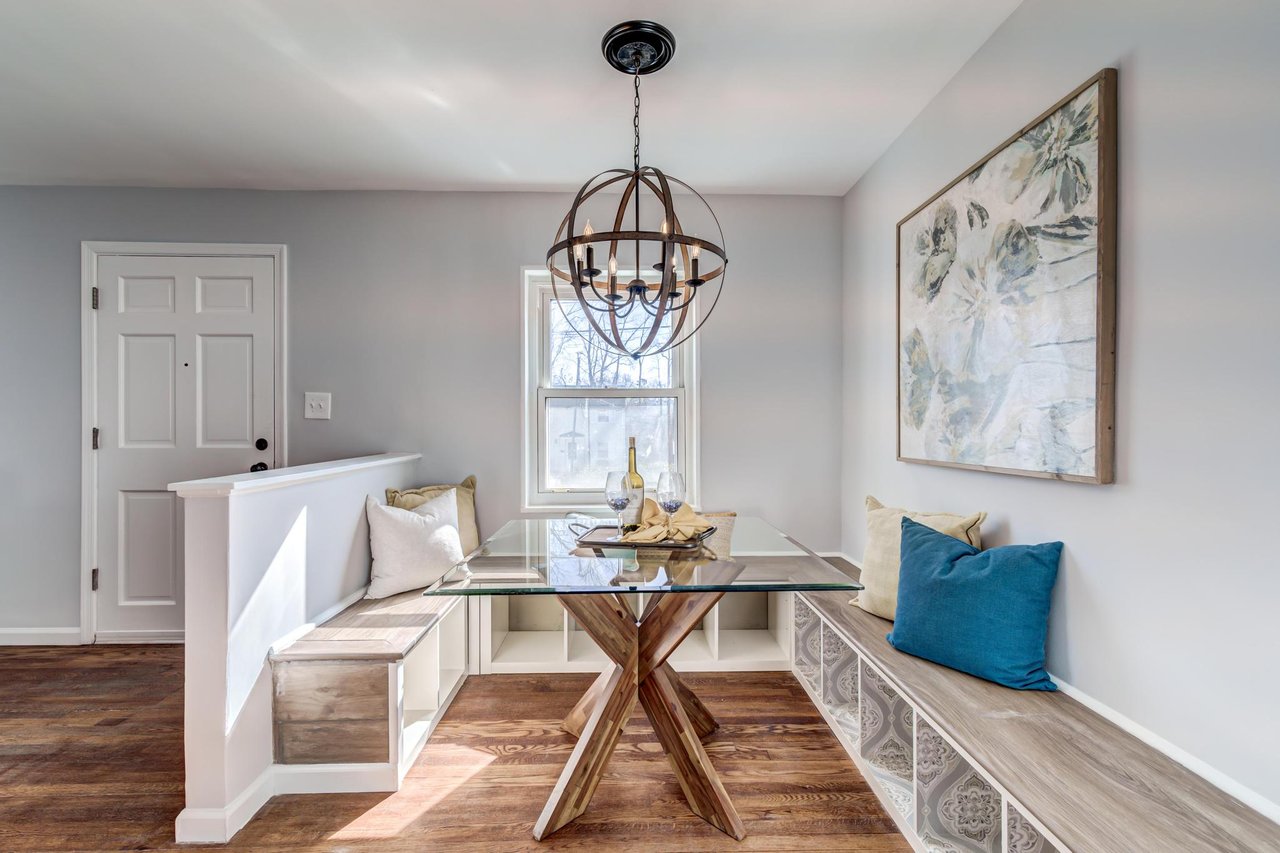
That variety can be helpful if your needs are changing. You may find condos and townhomes that fit a first-time buyer budget, historic row-style homes with lots of character, or detached homes in other parts of the city. The right fit often comes down to how you want to balance space, style, commute, and walkability.
Cost of living and housing costs
Alexandria is a higher-cost housing market. Census estimates show a median value of owner-occupied housing units of $735,100, a median gross rent of $2,089, and a median monthly owner cost with a mortgage of $3,237. The owner-occupied housing rate is 42.1%, which also tells you the city has a substantial renter population.
In practical terms, many buyers and renters are paying for more than square footage alone. In Alexandria, walkability, transit access, neighborhood amenities, and proximity to D.C. are part of the value. If you are comparing Alexandria to less central locations, that difference is important to keep in mind.
Parks, trails, and outdoor time
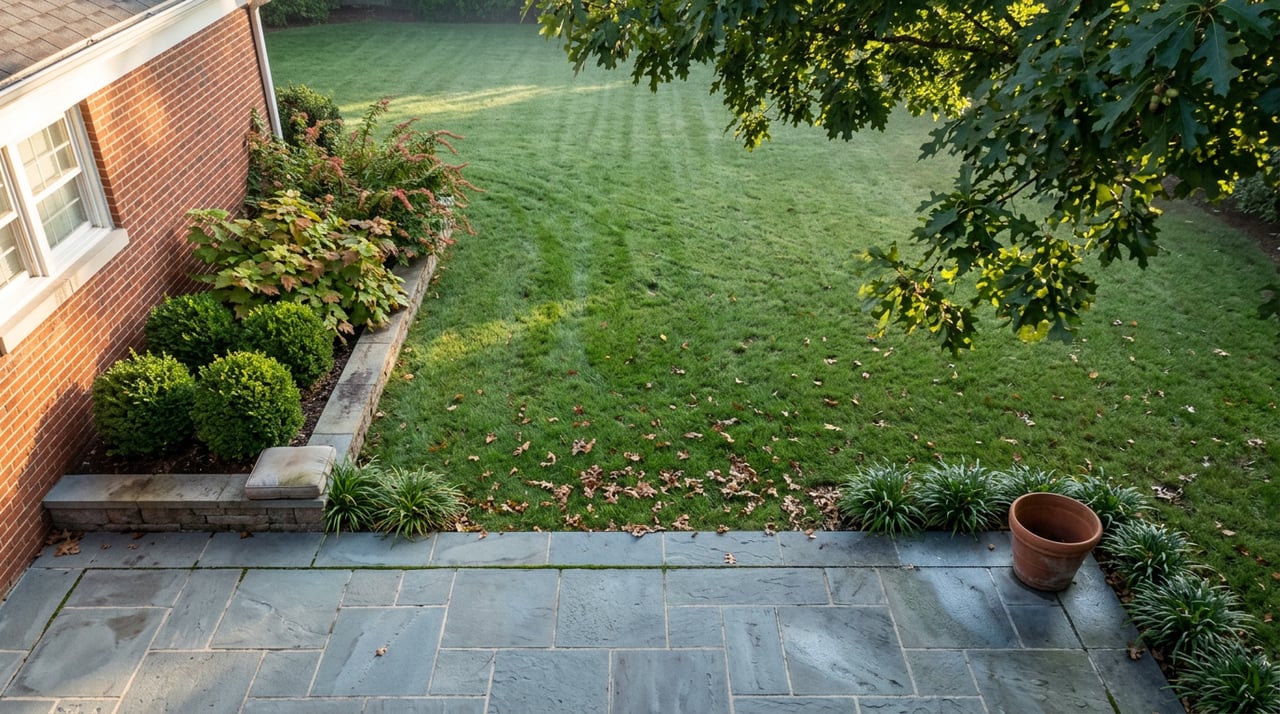
Outdoor access is part of everyday life in Alexandria. The city says residents have access to more than 900 acres of parks and dedicated public space. In the Historic Old Town and Waterfront area alone, there are about 23 acres of parks, walking and biking trails, shops, historic sites, and a public marina.
That means you do not have to plan a big weekend trip just to get outside. Walks along the waterfront, neighborhood parks, and trail access can become part of your regular routine. For many people, that adds a lot to the overall quality of life.
Dining and community events
Alexandria’s dining scene is one of its strongest lifestyle features. Old Town is known for waterfront restaurants and independent shops, Del Ray leans into café and patio culture, and the West End stands out for international dining and breweries. These are not isolated pockets of activity. They shape what living in the city feels like day to day.
Community events also add to that experience. Farmers markets take place in Old Town, Del Ray, Four Mile Run, and the West End, and Waterfront Park regularly hosts small city-sponsored events. If you enjoy places where there is usually something going on without feeling overwhelming, Alexandria often strikes that balance.
Schools and community context
For people thinking about long-term livability, Alexandria City Public Schools serves 15,928 students in 18 schools in the 2025-26 school year. ACPS reports that students come from more than 118 countries and speak 127 languages. That reflects the city’s broader diversity and adds helpful context for understanding the community.
More broadly, Alexandria’s parks, trails, transit options, and range of housing types make it appealing to many kinds of residents. You will find professionals, first-time buyers, commuters, renters, homeowners, and people making a relocation move. The city’s appeal comes from flexibility as much as from any one feature.
Is Alexandria right for you?
Alexandria may be a strong fit if you want a place that feels connected, active, and full of character. It offers historic charm, modern transit access, outdoor space, and neighborhoods with distinct personalities. It also comes with higher housing costs, so it helps to be clear about your priorities before you start your search.
If you are deciding where to live in Northern Virginia, Alexandria stands out for people who value convenience and lifestyle together. Whether you are drawn to Old Town’s waterfront energy, Del Ray’s neighborhood feel, Potomac Yard’s newer development, or the West End’s dining and accessibility, there is a lot to explore here.
If you are thinking about buying or selling in Alexandria and want organized, low-stress guidance tailored to your goals, Catherine Marie Wojtowicz can help you make sense of the market and move forward with confidence.
FAQs
What is it like to live in Alexandria, VA overall?
- Living in Alexandria often means having access to walkable neighborhoods, transit options, parks, dining, and a mix of historic and modern housing in a compact city near Washington, D.C.
Is Alexandria, VA good for commuting to Washington, D.C.?
- Alexandria offers strong commuter access through Metro, VRE, Amtrak, free DASH buses, and major road connections, with an average commute time of 28.4 minutes according to Census estimates.
What are the main neighborhoods in Alexandria, VA?
- Some of the best-known areas include Old Town, Del Ray, Potomac Yard, and the West End, each with a different feel, amenities, and housing mix.
Is Alexandria, VA expensive to live in?
- Alexandria is a relatively expensive market, with Census estimates showing a median owner-occupied home value of $735,100 and median gross rent of $2,089.
Does Alexandria, VA have good public transportation?
- Yes, Alexandria has free DASH bus service, multiple Metro stations, VRE and Amtrak access, and local options like the King Street Trolley.
What types of homes can you find in Alexandria, VA?
- Alexandria has a mix of condos, townhomes, townhouse-style homes, detached homes, two-family homes, and multi-family buildings across different neighborhoods.