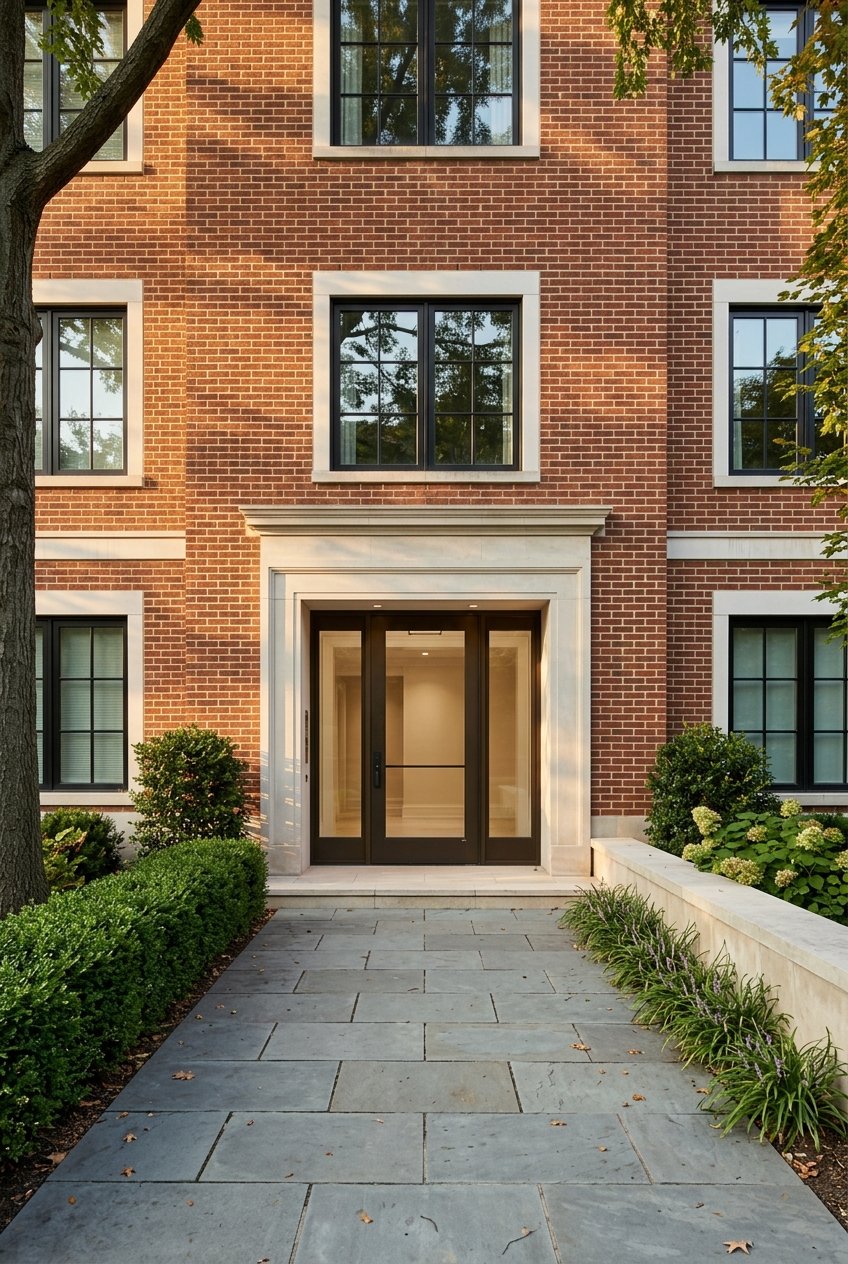
If you want to buy your first home in Arlington, there is a good chance a condo will be your most realistic starting point. In this market, price, transit access, and monthly costs all matter, and it is easy to feel overwhelmed by the choices. The good news is that a smart condo purchase gets much clearer once you know what to compare, what to budget for, and what to review before you commit. Let’s dive in.
Why condos matter in Arlington
Arlington is a dense, transit-oriented market where condos play a major role in first-time homeownership. According to Arlington County, 99% of net housing growth since 2020 has come from multifamily apartments and condos, and the county’s 2026 profile lists a population of 244,300.
That housing mix shows up clearly in the price points available to buyers. Arlington County also found that condos make up 99% of property sales at or below $500,000. For many first-time buyers who want to stay close to Metro and central Arlington, that makes condos one of the most practical paths to ownership.
Current listing snapshots also show that there is no single “Arlington condo price.” Recent public listing data has shown condos from the low $200,000s into the high end of the market, with many options clustered around the mid-$300,000s to $400,000s. That range is helpful because it means you can often adjust your search by size, building type, and location.
Start with your real monthly budget
One of the biggest first-time buyer mistakes is focusing only on the mortgage payment. With a condo, you also need to account for the condo fee, which is usually separate from your mortgage and paid directly to the association.
Those dues can vary widely. Consumer guidance cited in the research notes that condo or HOA dues can run from a few hundred dollars a month to more than $1,000 a month. In Arlington, that means two condos with similar sale prices may have very different monthly costs.
A condo fee often covers exterior and common-area maintenance. It may also include water, sewer, trash, amenities, insurance, or reserve contributions, depending on the building. That is why your budget should focus on the all-in monthly cost, not just the purchase price.
You should also leave room for costs that may not show up in the headline number right away, including:
- Special assessments
- Parking fees or separate parking purchases
- Insurance deductibles
- Move-in or building fees
- Building-specific pet, rental, or use rules
Older buildings deserve especially careful review. Arlington County’s condominium initiative has pointed to rising fees and capital expenses as a real issue for owners in some communities. That does not mean older buildings are bad options, but it does mean you should look closely at reserves, maintenance history, and upcoming projects.
Know the main condo types
Not all condos in Arlington live the same way. Building style can affect privacy, amenities, parking, fee structure, and even your day-to-day routine.
Common condo formats include:
- High-rise buildings with elevators and larger shared common areas
- Mid-rise buildings that may offer a balance of amenities and scale
- Garden-style buildings with outside entrances and a lower-density feel
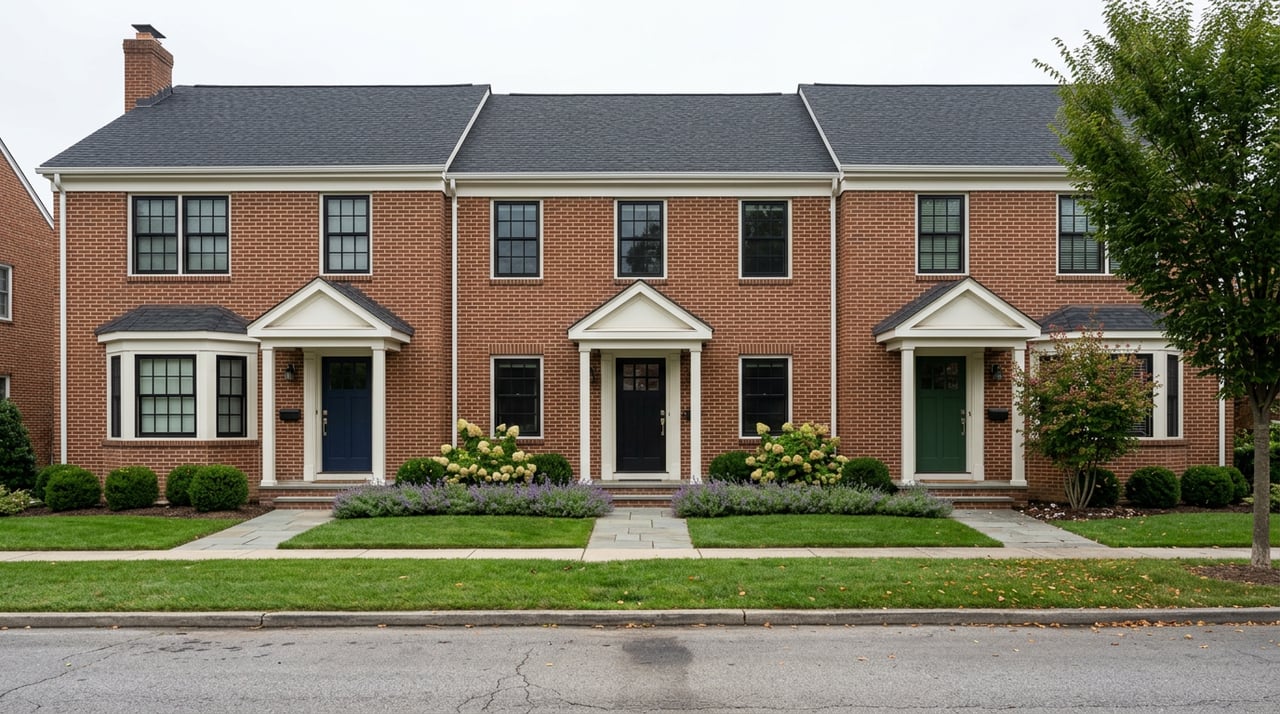
- Multistory townhome-style condos that may share walls or sometimes stand detached
For a first-time buyer, this matters because the best fit is not always the newest or tallest building. You may prefer a lower fee and simpler amenities, or you may decide that concierge service, a gym, or garage parking is worth the added monthly cost. The key is to match the building type to your lifestyle and budget.
Focus on Arlington areas that fit your commute
Arlington has more than 60 neighborhoods, but many first-time condo buyers focus on the county’s transit-oriented station areas. The county’s planning approach concentrates higher-density, mixed-use development within walking distance of Metro stations, especially in the Rosslyn-Ballston corridor.
That is one reason certain areas come up again and again in condo searches. If you want convenience, access, and broad buyer appeal, these are often the first places to explore.
Rosslyn
Rosslyn sits just across the bridge from DC and has a strong office-and-transit identity. You will often find high-rise condo options here, along with quick access for buyers who commute into downtown DC.
Courthouse
Courthouse includes Arlington’s government center and large residential communities near Metro. It is a practical area for buyers who want transit access along with dining and everyday conveniences nearby.
Clarendon
Clarendon is known for its walkable layout, shops, restaurants, and nightlife. For buyers who want an active, centrally located setting with strong public transportation use, it is often high on the list.
Ballston
Ballston offers a mix of residential, office, and commercial uses along the Orange and Silver lines. It also has direct access to I-66 and Glebe Road, which can matter if your routine mixes driving and transit.
Virginia Square
Virginia Square is more residential in feel while still offering Metro access nearby. The area also includes cultural, educational, and recreational uses within a few blocks.
Pentagon City and Crystal City
These areas offer strong transit access and proximity to the Pentagon and Ronald Reagan Washington National Airport. They often attract buyers who want a connected location and a range of housing options.
Look beyond the list price
A condo that looks affordable at first glance may feel very different once you factor in fees, parking, and building health. That is why comparing buildings side by side is often more useful than comparing list prices alone.
Here are a few smart questions to ask when narrowing your options:
- What is the monthly condo fee?
- What does that fee include?
- Is parking included, assigned, rented, or sold separately?
- Are there current or planned special assessments?
- How strong are the reserve funds?
- Are there rental restrictions or pet rules that matter to you?
- Does the building meet typical lender requirements?
This kind of comparison helps you avoid stretching for a unit that looks good online but creates stress later. It also helps you identify buildings that offer stronger long-term value for your specific goals.
Understand lender and project review
When you buy a condo, your lender is usually reviewing more than just your income and credit. The condo project itself may also need to meet lending guidelines.
According to the research, eligibility can depend on factors such as the physical condition of the community, financial stability, structural integrity, outstanding debts, lawsuits, and inspections. That is why first-time buyers should ask early about reserve funds, special assessments, and master insurance.
This step matters because a great unit in a poorly managed building can create financing headaches. Early review can save you time, protect your earnest money strategy, and help you avoid getting attached to a condo that may be difficult to finance.
Use Virginia’s resale certificate review window wisely
One of the most important parts of buying a condo in Virginia is reviewing the resale certificate. Under Virginia law, the seller must obtain this package from the association and provide it to the buyer.
The association generally has 14 days to deliver the certificate after a written request. If the contract does not set a different period, the buyer generally has three days after receipt to cancel the contract. That is a short window, so you want to be ready to review it quickly.
The resale certificate can include critical information such as:
- Governing documents
- Current assessments
- Special assessments
- Capital expenditures
- Reserve information
- Budgets
- Insurance details
- Meeting minutes
- Parking restrictions
- Rental restrictions
This is where a condo’s real story often becomes clearer. You are not just buying the unit. You are also buying into the building’s finances, rules, and maintenance planning.
A practical first-time condo buying plan
If you want a simpler way to approach the process, start here:
- Get preapproved early. Know your financing range before you fall in love with a building.
- Set an all-in monthly budget. Include mortgage, taxes, insurance, and condo dues.
- Choose your location priorities. Think about Metro access, commute, parking needs, and daily routine.
- Compare buildings, not just units. Review fees, reserves, amenities, and building type.
- Ask lender questions upfront. Make sure the project is likely to meet financing guidelines.
- Review the resale certificate immediately. Pay close attention to budgets, reserves, restrictions, and any signs of deferred maintenance.
- Confirm lifestyle details. Verify parking, pet rules, rental rules, and move-in procedures before closing.
This step-by-step approach can make the process feel much more manageable. It also helps you buy with confidence instead of reacting emotionally to the first condo that looks good online.
Why guidance matters for first-time buyers
Buying your first condo in Arlington is not just about finding an available unit. You are balancing budget, building health, commute, fees, financing, and resale potential all at once.
That is where steady guidance can make a real difference. When you have an agent who helps you compare buildings clearly, review the paperwork carefully, and keep the process organized, you can make decisions with less stress and more confidence.
If you are thinking about buying your first condo in Arlington, Catherine Marie Wojtowicz can help you make sense of the options, understand the numbers, and move forward with a clear plan.
FAQs
What makes condos a common first home option in Arlington?
- Arlington County reports that condos make up 99% of property sales at or below $500,000, which makes them a practical entry point for many first-time buyers.
What should first-time condo buyers in Arlington include in their monthly budget?
- You should include your mortgage, taxes, insurance, condo fee, and likely extras such as parking costs, special assessments, and building-related fees.
What does a condo fee usually cover in an Arlington condo building?
- Condo fees often cover exterior and common-area maintenance and may also include water, sewer, trash, amenities, insurance, or reserve contributions depending on the building.
Which Arlington areas do first-time condo buyers often consider?
- Many first-time buyers focus on transit-oriented areas such as Rosslyn, Courthouse, Clarendon, Ballston, Virginia Square, Pentagon City, and Crystal City.
What is the Virginia resale certificate for a condo purchase?
- The resale certificate is the association disclosure package that can include budgets, assessments, reserve information, insurance, meeting minutes, parking restrictions, rental restrictions, and governing documents.
Why do lenders review the condo building and not just the buyer?
- Lenders may review the condo project’s financial stability, condition, insurance, lawsuits, debts, and other factors to decide whether the unit meets lending guidelines.
Can a VA loan be used to buy a condo in Arlington?
- A VA-backed purchase loan can be used to buy a condo in a VA-approved project, and it may allow no down payment when the sales price does not exceed the appraised value.